MCA Microsoft Azure Network Engineer Training & Certification Boot Camp – 4 Days (1 Course, 1 Exam, 1 Certification)
Training Schedule and Pricing
Our training model blends knowledge and certification prep into one solution. Interact face-to-face with vendor certified trainers AT OUR TRAINING CENTER IN SARASOTA, FL - OR - attend the same instructor-led live camp ONLINE.
-
May062024Delivery Format:CLASSROOM LIVEDate:05.06.2024 - 05.09.2024Location:SARASOTAPrice Includes:Instructor Led Class, Official Courseware, Labs and Exams$2,4954 days
-
Jun032024Delivery Format:CLASSROOM LIVEDate:06.03.2024 - 06.06.2024Location:SARASOTAPrice Includes:Instructor Led Class, Official Courseware, Labs and Exams$2,4954 days
-
Jul082024Delivery Format:CLASSROOM LIVEDate:07.08.2024 - 07.11.2024Location:SARASOTAPrice Includes:Instructor Led Class, Official Courseware, Labs and Exams$2,4954 days



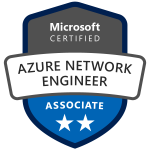
Exam Included & Administered During Camp:
AZ-700: Designing and Implementing Microsoft Azure Networking Solutions

What's Included
 1 Microsoft Test Voucher
 1 Microsoft Official Course
- 1 Retake Voucher (if needed)
- Microsoft Study Labs & Simulations
 Onsite Pearson Vue Test Center
- Instructor Led Classroom Training
 1 Microsoft Test Voucher
 1 Microsoft Official Course
 1 Retake Voucher (if needed)
 Microsoft Study Labs & Simulations
 Onsite Pearson Vue Test Center
 Instructor Led Classroom Training
The Official Microsoft Certified Associate (MCA) Azure Network Engineer 4 Day Training & Certification Bootcamp teaches Network Engineers how to design, implement and maintain Azure networking solutions. This camp covers managing core Azure networking, hybrid networking connections, load balancing, network routing, private access to Azure services, network security and monitoring.
The Microsoft Certified Azure Administrator Associate boot camp is taught using Microsoft Official Courseware
AZ-700T00: Designing and Implementing Microsoft Azure Networking Solutions
Summary Of Objectives Taught
Design, implement and manage hybrid network connections
Design and implement core Azure networking infrastructure
Design and implement routing and load balancing in Azure
Secure and monitor networks
Design and implement private access to Azure Services
While attending this 4 day camp - students will take one exam (AZ-700) to achieve the Microsoft official certification - Microsoft Certified Associate (MCA) Azure Network Engineer certification. The first 2 days are focused on the Microsoft Official Course and hands on labs, day 3 students take the Microsoft Official Exam at our facility (or online proctored for remote students). This hands on, instructor led live camp teaches the knowledge to administer an Azure network along with the knowledge needed for the certification exams which are administered while attending.
Certification Camps has developed a comprehensive training / delivery format which focuses on learning beyond the core content accessible to any Microsoft training provider. Our program incorporates interactive demonstrations with explanations which go beyond the content of the book. Additional content, videos, labs & demonstrations are provided to expand on advanced topics - providing additional insight and perspective. Certification Camps training is not the typical book & PowerPoint presentation found at any local training center.
As a Microsoft Certified Partner with Gold Learning Competency - we adhere to the strict guidelines, standards and requirements to use Microsoft's exclusive curriculum. More over - our standards go beyond the "minimum requirements" set forth by Microsoft Learning.
We leverage our partnership benefits of courseware customization to build end to end technology training solutions. Students gain practical skills which can be implemented immediately.
At most training centers - learning starts on the first day of class and ends on the last day. Our boot camp training program is designed to offer resources before, during and after.
CERTIFICATION CAMPS FACILITIES
CAMPUS - Certification Camps built out a stand alone training center (not a hotel conference room) with spacious classrooms, new desk, Herman Miller Aeron chairs & comfortable common areas. Each student has a dedicated desk with two monitors. Each classroom has a maximum of two rows - so everyone is able to be engaged without the "back row" feeling. 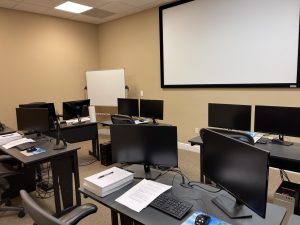
CLASSROOM EQUIPMENT - Students work on a dedicated Dell Client Desktop with 32GB memory with 512GB SSD drives - All Labs are executed the extremely fast Microsoft Data Center Hosted Lab Environment .
CAMPUS INTERNET - The campus is connected with a 1Gbps (1,000 Mbps) Verizon Fios Business Connection which provides complete internet (including VPN) access for students.
COMMON AREA - Amenties including snacks, drinks (Coffee, 100% juices, sodas, etc) all complimentary.
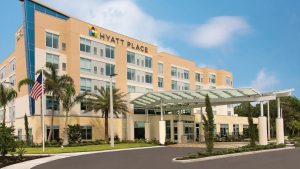
LODGING - We use the Hyatt Place Lakewood Ranch. This "upgraded" hotel offers extremely comfortable beds, great breakfast and very fast internet access.
NEAR BY - Many shops, restaurants and grocery options are available within walking distance. Additionally - the hotel provided scheduled shuttle services. Restaurants like Cheesecake Factory, California Pizza Kitchen, Panera Bread, Bone Fish Grill, Ruby Tuesday's, Five Guys, Chipotle, Chili's and over 20 additional choices in the immediate area.


